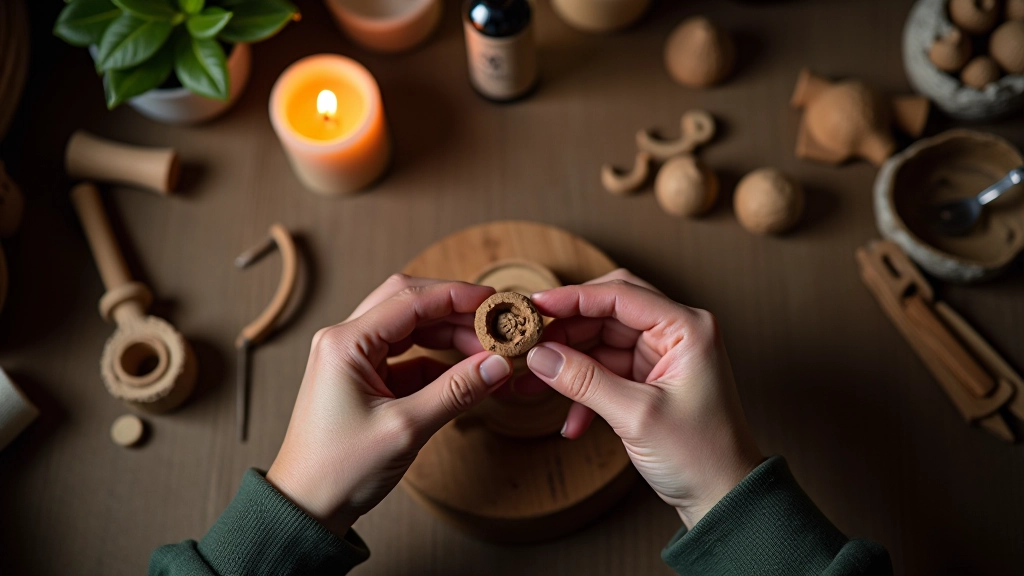
Wine and Mead Tasting Evenings in Vilnius
Explore traditional Lithuanian mead and wine pairings. Learn about local producers and fermentation techniques in intimate group settings held twice monthly.


What Makes These Tastings Special
Vilnius has a quiet tradition of mead-making that most visitors never discover. We're not talking about the heavy, overly-sweet versions you might've tasted once at a festival. The tastings here focus on craft producers who've been experimenting with real techniques — dry meads, fruit-infused blends, and wine pairings that actually work together.
Each evening brings together 8 to 12 people in a relaxed setting. You'll spend about three hours learning what goes into a proper fermentation, how honey varieties affect the final taste, and why temperature control matters more than most people realize. It's structured enough to be educational, but conversational enough that you won't feel like you're in a lecture.
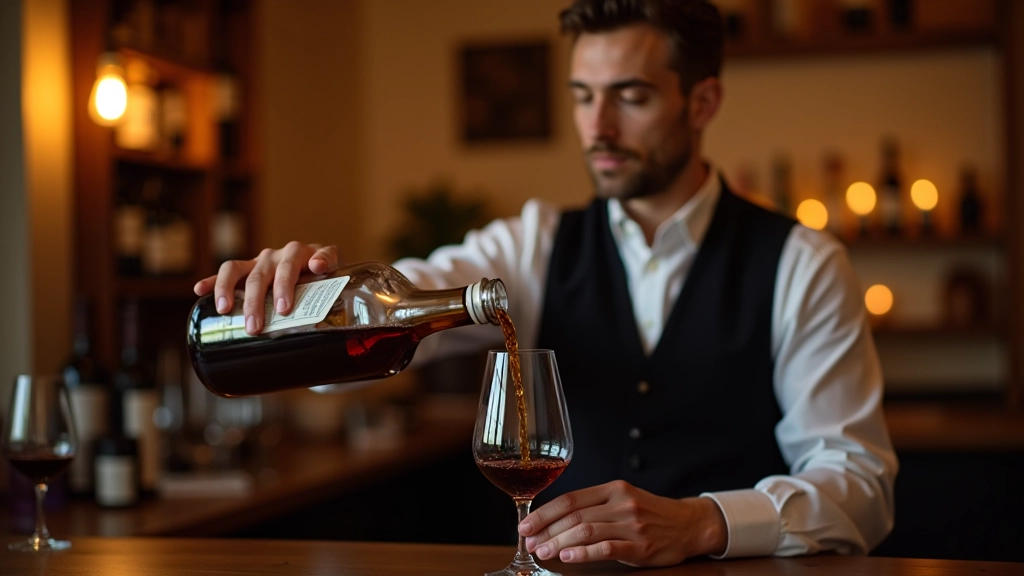
Pro Tip: Bring a Notebook
Producers often share their recipes or at least the philosophy behind their fermentation approach. If you're interested in trying to make your own batch at home, you'll want to jot down notes about honey types, yeast strains, and aging timelines. Most participants end up with 2-3 pages of useful information they wouldn't find online.
How an Evening Actually Works
You'll arrive around 6 PM, usually at a small gallery space or a producer's tasting room near the Old Town. The first 20 minutes is casual — people grab a light snack, settle in, and meet whoever else showed up. Then the host introduces the evening's theme. Maybe it's traditional dry meads, or maybe it's exploring how different wines pair with mead-based cocktails.
The actual tasting takes about 90 minutes. You'll try 4 to 6 different samples, and for each one, the producer walks through their process. They'll explain their fermentation timeline, what honey they used, how long it aged. You're encouraged to ask questions — it's not a silent, pretentious experience. People genuinely want to know if someone's tried making mead before, or what they usually drink at home.
The last part is food pairing. Small bites — usually cheese, bread, sometimes local pastries — get paired with the tastings. This is where it gets interesting. You'll discover that a particular mead works way better with sharp cheddar than you'd expect, or that the wine blend complements dark rye bread in ways that make sense once you taste it.
What You'll Learn About
- Fermentation basics: Why yeast choice matters, and how temperature control affects the final product over weeks and months
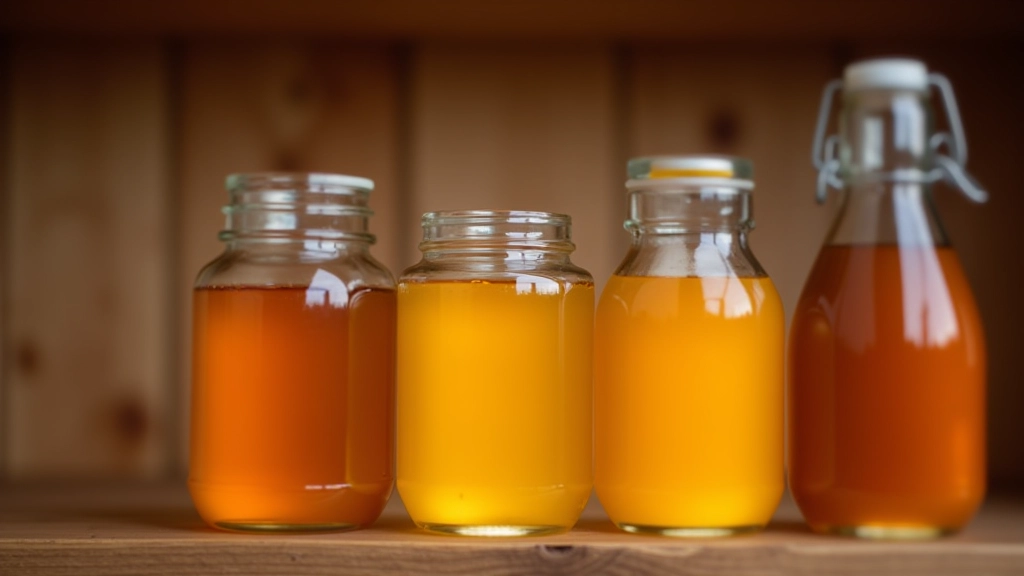
- Honey varieties: How acacia mead tastes completely different from wildflower or chestnut varieties
- Aging and bottling: Why some meads improve over time, and what signs to look for when it's ready to drink
- Flavor profiles: Developing your palate to distinguish notes you'd normally miss in everyday wine or beer
- Local producers: Meeting the actual people behind small-batch operations, not faceless brands
Most people finish the evening feeling like they've gained actual knowledge, not just tasted some drinks and left. That's the real appeal here.

Disclaimer
This article is informational and educational in nature. Information about fermentation, alcohol content, and production methods is presented for learning purposes only. Always follow local laws regarding alcohol consumption and production. If you're considering making mead at home, research proper sanitation and safety practices, or consult experienced brewers. Attendees should be of legal drinking age in their country. Specific details about tastings, schedules, and producers may vary and should be confirmed directly with event organizers before attending.
Practical Information
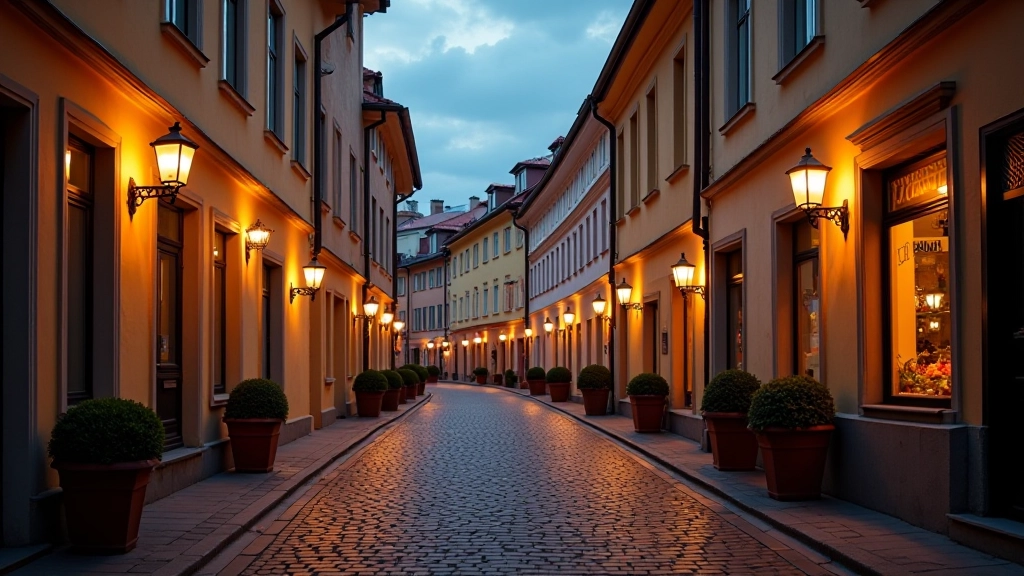
Tastings typically happen twice a month, usually on Friday or Saturday evenings. They're held in different venues around Vilnius — sometimes in the Old Town, sometimes in smaller studio spaces near the Cathedral Square. You won't need any special experience. Beginners show up regularly, and honestly, they often ask the best questions.
Plan to spend about three hours total, including the casual part at the beginning and the food pairing section. Wear comfortable clothes — there's no dress code. The venues are usually casual enough that you could show up in jeans and a shirt. If you're sensitive to strong smells, note that fermentation can have a pretty distinct aroma, especially when you're tasting fresh batches.
It's worth reaching out to local mead makers or checking community boards online for the most current schedule. Organizers sometimes add special themed evenings — like holiday meads in December, or spring fruit meads in May — so timing might matter if you're looking for something specific.
Is It Worth Your Time?
If you're curious about how things are made, enjoy meeting people who care deeply about their craft, or just want to try something you can't get everywhere, yes. You'll walk out knowing more about fermentation than most people ever will. You'll probably taste meads that surprise you — in a good way. And you might make a connection with someone who becomes a regular drinking buddy at future tastings.
The evenings aren't expensive, they're genuinely educational without being boring, and they're a legitimate way to spend a Friday night doing something different in Vilnius. Even if mead never becomes your favorite drink, you'll understand why people who make it are so passionate about it.
Related Activities